
Early orthodontics and growth guidance
Early orthodontic care for growing children
An early orthodontic assessment looks at how your child's teeth, bite and jaws are developing. It helps identify concerns and determine whether monitoring or early treatment may be appropriate.
Dr Kaur discusses a care plan tailored to your child's development and needs. Where clinically appropriate, treatment at our practice may include maxillary expansion for a narrow upper jaw, orthodontic appliances or braces. When specialist care is needed, she explains the reasons and arranges a referral.

What to look for
Signs worth an assessment
You don't have to wait for all the adult teeth to come through before an assessment2.
- The bite doesn't meet properlyTop front teeth sitting behind the bottom ones, or back teeth meeting the wrong way (a crossbite)3.
- Front teeth stick outOr overlap the bottom teeth very deeply3.
- Crowded teethOverlapping or twisted teeth as the adult teeth come in3.
- Baby teeth lost earlyFrom decay or injury — or adult teeth that aren't appearing when expected3.
- Ongoing thumb or finger suckingAs the adult teeth come through3.
- Mouth breathingMost of the time, or at night. Airway-focused dentistry.
What happens
How an assessment works
- 1
History
Habits, breathing, sleep, speech, family history and any concerns you have.
- 2
Examination
Teeth, bite, jaw relationships, how the jaw moves, and lips and tongue at rest.
- 3
Records, if needed
Photos or X-rays when they'll help Dr Kaur see what's happening.
- 4
Explanation
What's typical for your child's age, what's worth watching, and what (if anything) could help now.
- 5
Next step
A care plan suited to your child: monitoring and guidance on habits, treatment at our practice where clinically appropriate, or referral to a registered specialist orthodontist when specialist care is needed.
Your options
What growth guidance can include
Assessment and monitoring
Assess your child's teeth, bite and jaw development, and monitor changes to help determine the appropriate timing of treatment.
Support with oral habits
Provide guidance on thumb sucking, dummy use and other oral habits that may affect dental development.
Early orthodontic treatment
Where appropriate, provide treatment such as maxillary expansion, orthodontic appliances or braces, based on your child's individual needs.
Ongoing care and specialist support
Review treatment progress and maintain regular dental care, coordinating with a specialist orthodontist or other health professionals when needed.
Who it's for
Children from around 6 to 10
An assessment between 7 and 10 is recommended2 — earlier if you've noticed something that worries you. Bring your child in and we'll take a look.
Cost and funding
Costs and what's covered
Assessment
We'll explain the cost of the assessment when you book, and give you a written estimate before any treatment.
CDBS
The Child Dental Benefits Schedule doesn't cover orthodontic treatment1. What the CDBS covers.
Health funds
Some private health "extras" policies include orthodontic benefits — check your policy.
Good to know
Things to consider
- Not every child needs early treatment; many just need monitoring2.
- Early assessment is about timing. It helps you make an informed decision about if and when treatment might help.
- Any appliance needs daily care and your child's cooperation. We'll talk through what that involves before you decide.

Your dentist
Dr Amandeep Kaur
Dr Kaur is a general dentist with a particular interest in children's growth and development, including how the jaws and bite develop. She'll explain your options clearly and take the time you need.
Meet Dr KaurQuestions
Early orthodontics: your questions
What age should my child have an orthodontic check?
An orthodontic assessment is recommended between 7 and 10 years of age2 — earlier if you notice something that worries you.
What is early orthodontic treatment?
Treatment while a child is still growing to guide the jaws or make room for adult teeth, used only when there's a clear reason. Most children just need monitoring2.
Does early assessment mean early braces?
No. Most children are simply monitored2. Treatment is only suggested when there's a clear reason, and Dr Kaur will explain it.
Is Dr Amandeep Kaur an orthodontist?
Dr Kaur is a general dentist with additional training in orthodontics. She is not a registered specialist orthodontist.
Keep exploring
Related services

Children's dentistry
Gentle visits from the first tooth to the teens, with advice for parents.
About children's dentistry
Airway-focused dentistry
Looking at breathing, habits and jaw growth — and referring when something needs a closer look.
About airway-focused care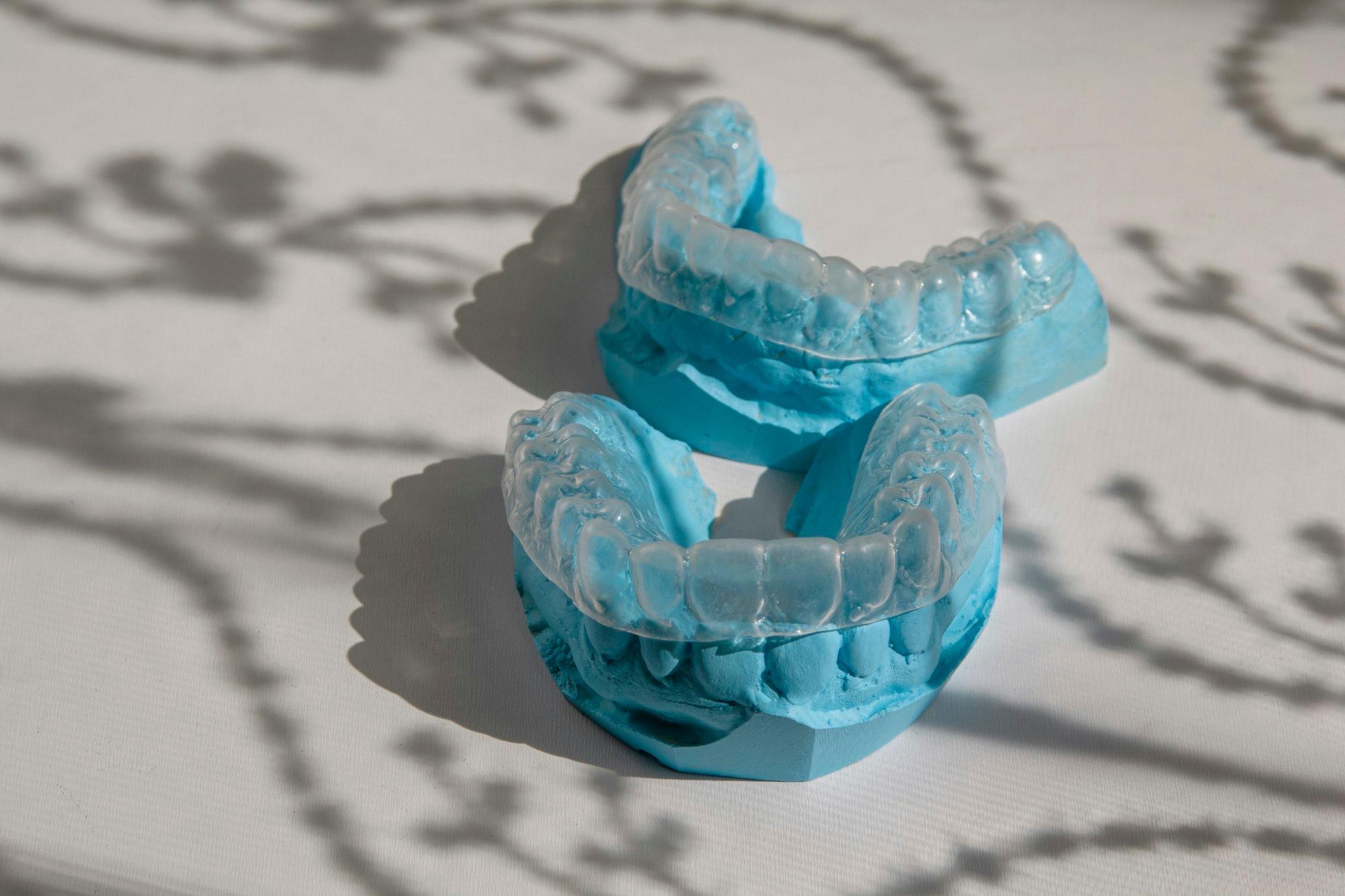
Clear aligners and orthodontics
Straightening teeth with removable clear aligners or braces, planned around you.
About clear aligners
Planning your visit
Sources
Health information on this page is general and based on the sources below. It isn't a substitute for advice about your own situation. Last reviewed 21 October 2026.
Ready when you are
Questions about early orthodontics? Book a visit and Dr Kaur will talk you through your options.